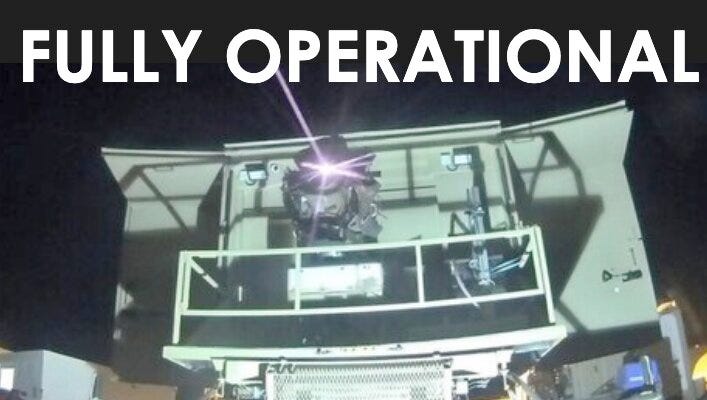
Combat Lasers Shootdown Drones and Missiles in Iran War
By Brian Wang
Combat Laser Technology Overview
2026 Iran war marks era of fully operational combat lasers
Israel deploying 100 kilowatt systems (Iron Beam) successfully shooting down drones and slower missiles
Previous 2024-2025 Gaza deployment used weaker systems versus weak and slow drones
Rafael (Israeli defense supplier) manufacturing complete laser suite
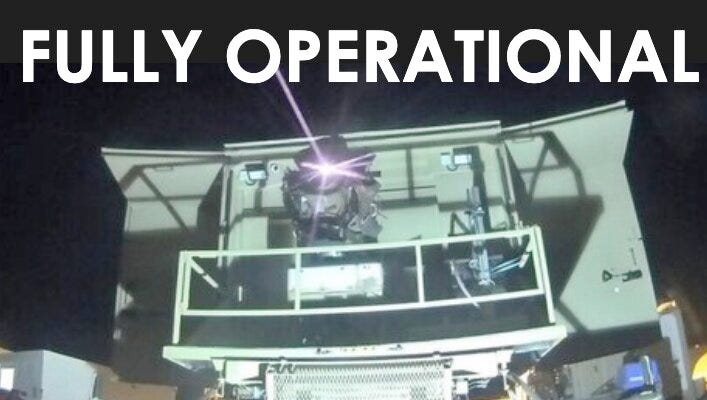
Rafael Laser Systems Portfolio
Iron Beam (100kW)
7-10km range (4-6 miles)
$2-5 per shot energy cost
2-5 seconds burn-through time
Targets: rockets, mortars, drones, some missiles
Iron Beam Mobile (50kW)
Truck and helicopter mounted
2026 deployment timeline
Integrated sensors for detection and targeting
High flight survivability system
Iron Beam Light (10kW)
Military Humvee deployment
1+ mile range under good conditions
Truck and chopper variants
System Capabilities & Limitations
Highly reflective coatings add maximum 1 second delay (99% reflective still allows 500W penetration)
Weather dependent - dust storms, fog reduce effectiveness
Regular missiles needed as backup during poor conditions
Power scaling advantages:
Higher power = longer range, shorter engagement times
300kW systems (2030 target): 0.3 second burn-through vs 2 seconds
Costs & Deployment Timeline
Current pricing:
50kW system: $10-30M
100kW system: $20-50M
Mass production could reduce to $10-20M range
US Navy: 60kW Helios laser on destroyer (active in Iran war)
Planned scaling:
68 US destroyers to receive 60kW systems
150kW systems testing 2026-2027
250-300kW systems in development
Megawatt systems for ICBM defense
Market expansion: Gulf countries (Saudi, Kuwait, UAE) likely customers
Lockheed Martin: primary US contractor